
Things to Do in Paducah, Kentucky
What actually justifies a Paducah stop: the National Quilt Museum, the Lower Town Arts District, the floodwall murals, and the riverfront.

Introduction
Paducah's attractions read like a checklist built around its UNESCO Creative City designation, and that's mostly accurate — the city doesn't have much pulling visitors that isn't connected, directly or indirectly, to its craft and folk-art identity or its riverfront.
National Quilt Museum
At 215 Jefferson Street, the National Quilt Museum is the anchor of Paducah's tourism identity and the clearest reason the city holds its UNESCO status. Founded in 1991 by American Quilter's Society co-founders Bill and Meredith Schroeder and formally recognized by the U.S. Congress in 2008, the museum describes itself as the country's premier venue for contemporary quilting, with rotating exhibitions built around work made largely since 1980. Current admission, per the museum's own pricing, runs $12 for general adults, $11 for seniors, and $5 for students, with children 12 and under free with a paying adult; hours are Monday–Saturday 10am–5pm and Sunday 1–5pm. Confirm both figures directly before visiting, since museum pricing and hours are exactly the kind of detail that changes without much notice.
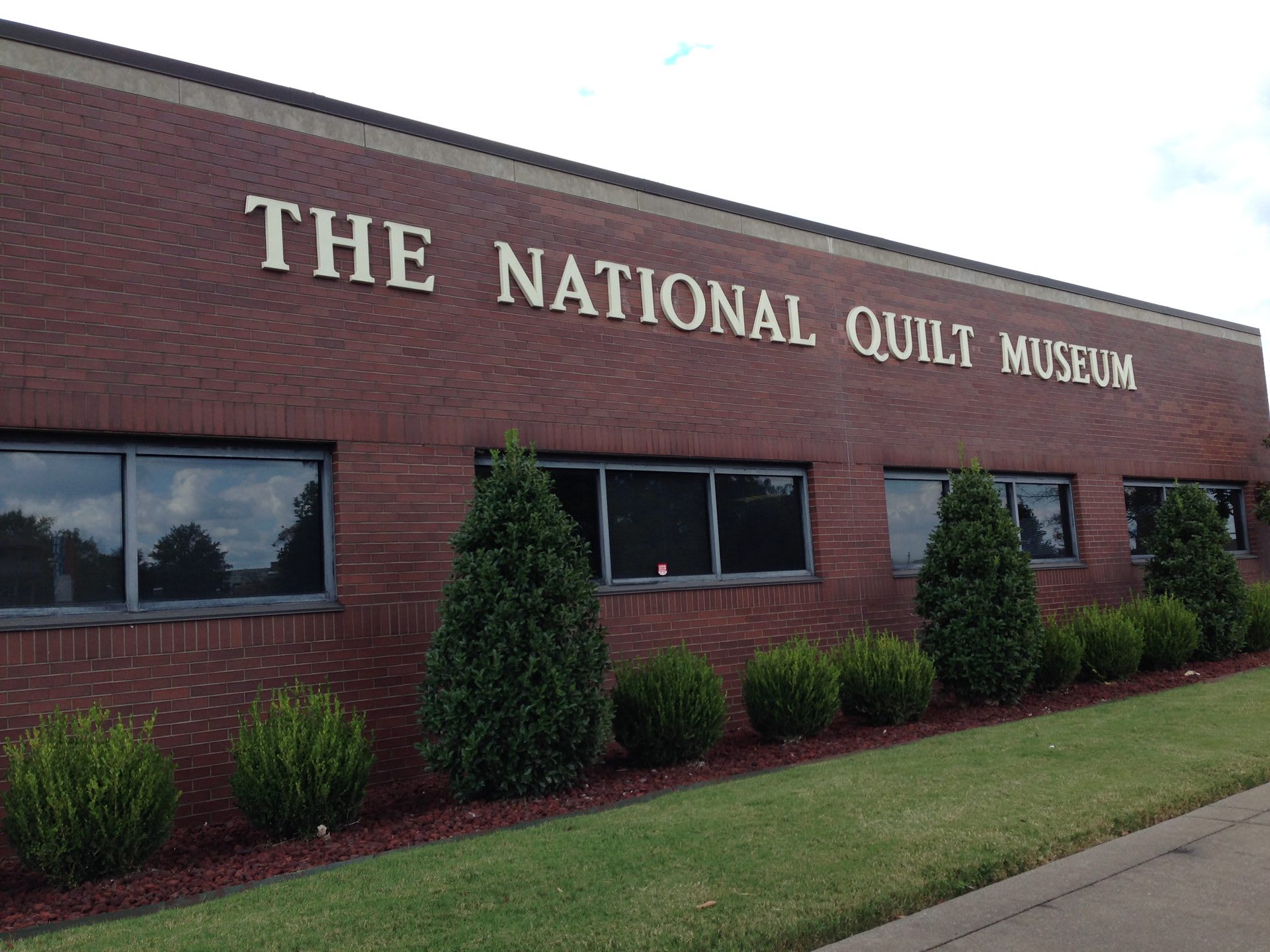
Photo: Road Travel America / Wikimedia Commons (Public domain)
Lower Town Arts District
A short walk north of downtown along North 6th Street, Lower Town is a real historic neighborhood, not a marketing label — a 26-block district that the city's Artist Relocation Program, launched in 2000, spent two decades rehabilitating by offering artists incentives to buy and restore historic homes as combined studio-residences. The program is frequently cited as a key factor in Paducah's UNESCO designation and has become a case study elsewhere for using working artists as a neighborhood revitalization tool. Galleries here keep their own hours, often tied to the artist's personal schedule rather than posted retail hours, so a weekend afternoon visit is a safer bet than a weekday one for finding studios open.
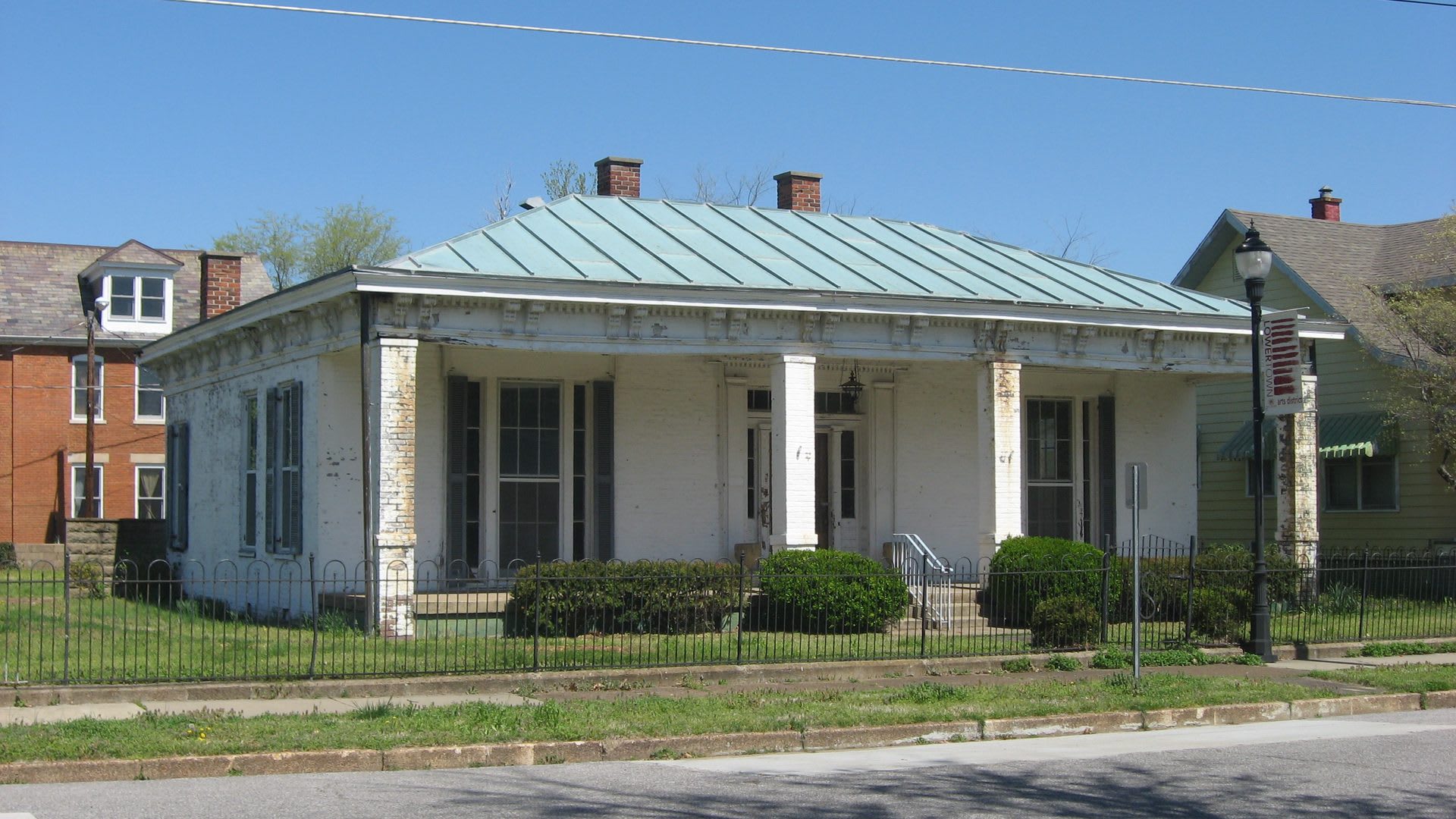
Photo: Nyttend / Wikimedia Commons (Public domain)
Floodwall Murals and the Riverfront
Running along South Water Street where the floodwall meets downtown, the Wall to Wall mural project — built after Paducah's disastrous 1937 flood prompted construction of the wall itself — covers roughly three blocks with historical scenes painted by muralist Robert Dafford and collaborators between the late 1990s and 2022; the official project site counts around 30 panels, while some secondary sources describe "50-plus" individual painted images across that same span, likely counting figures within panels rather than panels themselves. The murals sit steps from the Ohio-Tennessee confluence itself and connect directly to the riverfront walk and Dolly McNutt Memorial Plaza, an area the city has been actively redeveloping with federal infrastructure funding since 2024. It's a free, self-guided stop that works at any time of day, and the murals are lit at night for evening viewing, per the project's own site.
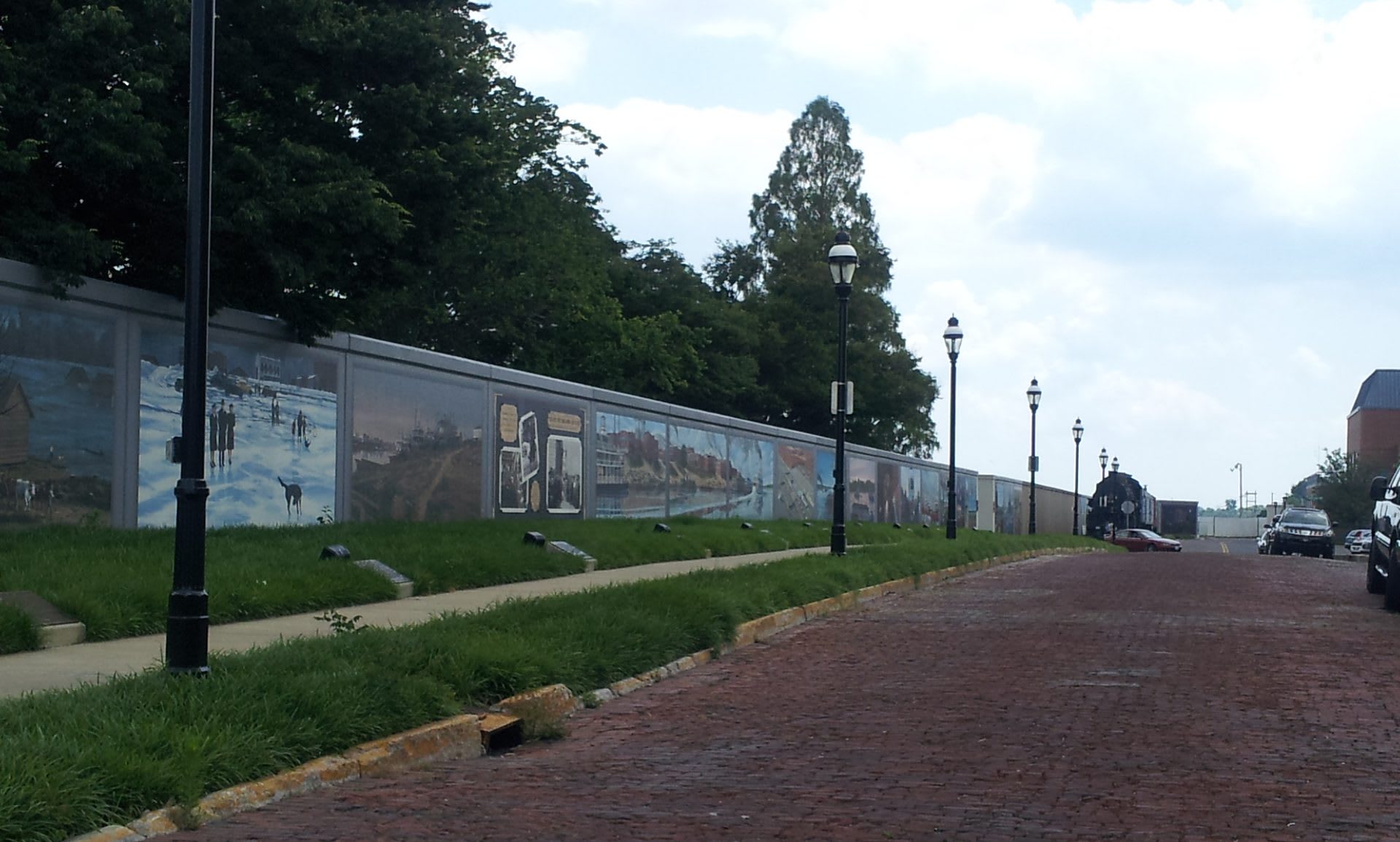
Photo: Carolyn Cuskey / Wikimedia Commons (CC BY 2.0)
Beyond the Big Three
Market House Theatre, on South 2nd Street downtown, is a long-running community theater worth checking for a current show schedule if your visit overlaps with a production. For a sense of the city's history before it became "Quilt City," the Whitehaven Welcome Center on Lone Oak Road — an 1865 farmhouse remodeled into a Classical Revival mansion in 1903 and now doubling, unusually, as Kentucky's I-24 rest stop — is worth a stop on the way in or out, even if you're not staying overnight.
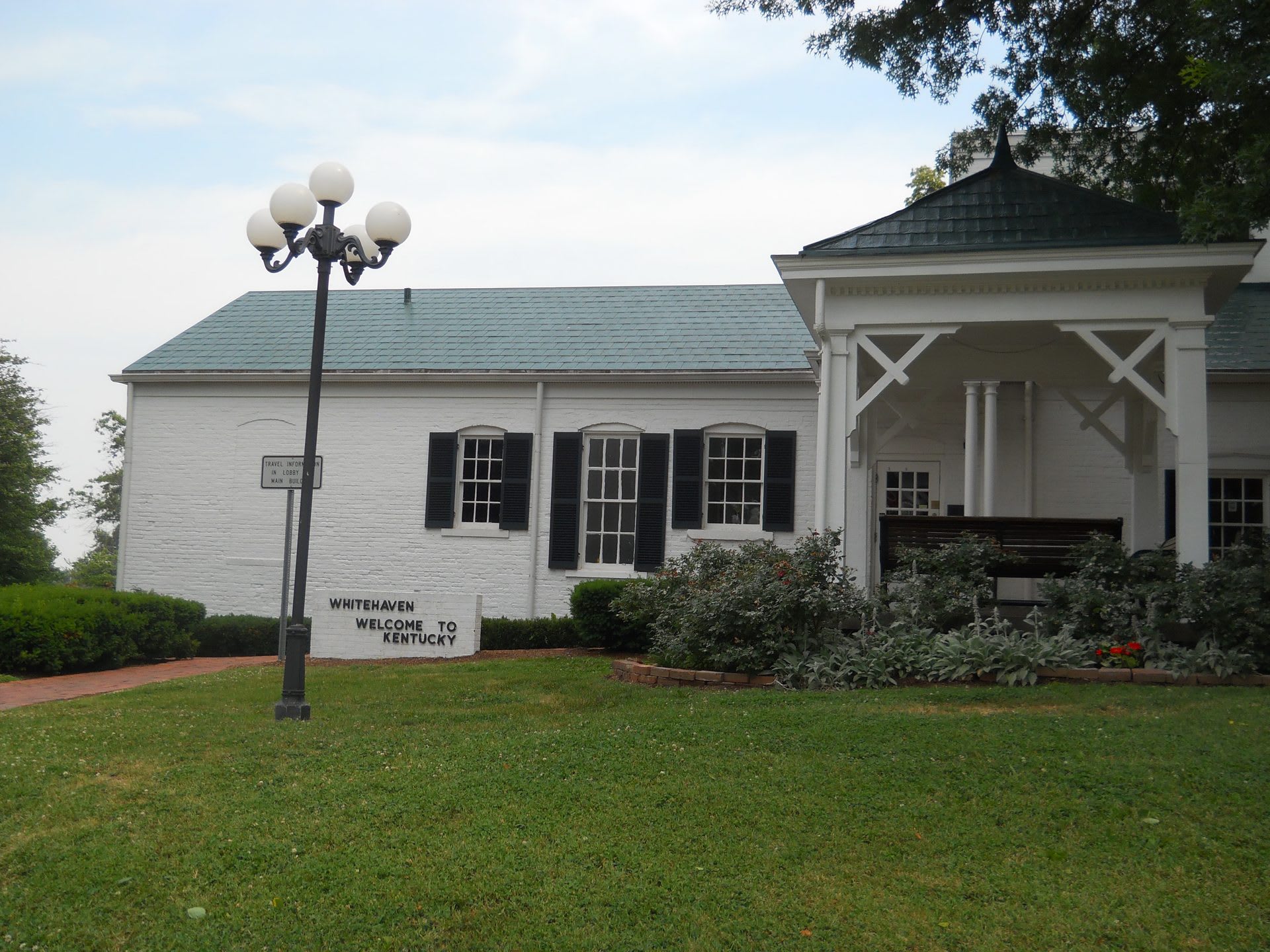
Photo: Clarinetguy097 / Wikimedia Commons (CC BY-SA 4.0)


